Remarkable regalia showcasing a golden crown and its royal significance
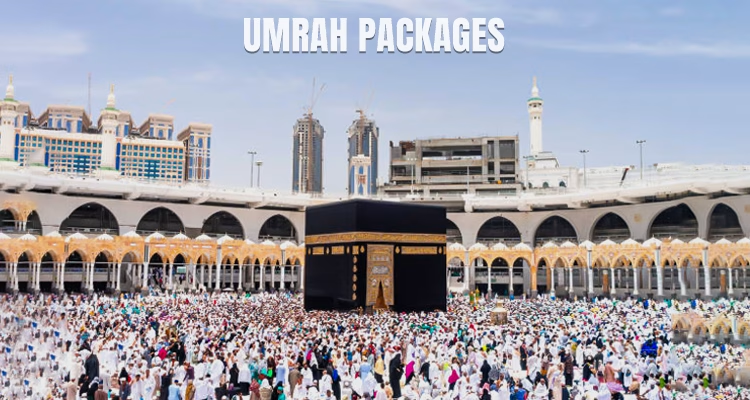
Welcome to our 21-Day Umrah Package.
Relax in conveniently located hotels near the Haram in both Makkah and Madinah. Choose from a range of options to suit your preference.
We’ll take care of getting you to and from Saudi Arabia with comfortable flights.
Comfortable Accommodation:
Stay in well-appointed hotels near the Haram in both Makkah and Madinah.
Convenient Transportation:
Enjoy air-conditioned transfers between cities and for Ziyarat (visits to historical sites).
Umrah Visa Assistance:
Our team will handle the Umrah visa application process efficiently.
Dedicated Guidance:
Benefit from experienced guides (optional) who can provide assistance throughout your journey.
Ziyarat Tours:
Explore significant historical and religious sites beyond the Holy Cities (additional cost).
Please Note:
Prices may vary depending on travel dates, flight options, and hotel selection.
Flight departures can be arranged from your preferred city.
Let us guide you on your path to spiritual fulfillment.
- Remarkable regalia showcasing a golden crown and its royal significance
- The Historical Evolution of Crown Design
- The Shift to European Styles
- The Symbolism Embedded within a Golden Crown
- Cultural Variations in Symbolism
- The Craftsmanship and Materials Involved
- Modern Techniques and Innovations
- The Golden Crown as a Cultural Icon
- The Enduring Appeal and Future of Crown Design
Remarkable regalia showcasing a golden crown and its royal significance
The allure of royalty has captivated humankind for centuries, and at the heart of this fascination often lies the imagery of magnificent regalia. Among these symbols of power, few are as instantly recognizable and evocative as the golden crown. It represents not just authority, but also history, tradition, and the weight of responsibility that comes with leadership. From ancient civilizations to modern-day monarchies, the golden crown has consistently served as a potent emblem of sovereignty and divine right, embodying the splendor and prestige of the ruling class. Its aesthetic impact is undeniable, contributing to its enduring presence in art, literature, and cultural narratives.
The creation of a golden crown is not merely a matter of craftsmanship; it's a complex undertaking steeped in symbolism and artistry. Materials such as gold, precious gems, and intricate metalwork are carefully selected to convey power, wealth, and the enduring nature of the monarchy it represents. The design choices—the shape, the height, the ornamentation—all contribute to the overall message being projected. Each element of the crown holds a specific significance, often reflecting the history, beliefs, and values of the kingdom or empire it serves. The craftsmanship involved demands skill, patience, and a deep understanding of artistic techniques passed down through generations.
The Historical Evolution of Crown Design
The earliest forms of crowns weren’t the elaborate, jewel-encrusted masterpieces we often associate with royalty today. Initially, they were simpler head ornaments made from woven plants or metals, signifying status within a tribe or community. As civilizations developed, so too did the complexity of headwear. Ancient Egyptians wore the pschent, a combination of the white crown of Upper Egypt and the red crown of Lower Egypt, symbolizing the unification of the two kingdoms. Similarly, Roman emperors adorned themselves with laurel wreaths, symbols of victory and authority. These early forms of crowns evolved over time, incorporating more precious materials and elaborate designs as rulers sought to visually emphasize their power and legitimacy. The use of gold became increasingly prevalent, reflecting its inherent value and association with the divine.
The Shift to European Styles
Throughout the medieval period, European crowns underwent a significant transformation. The coronet, a more closed and arched style, gained popularity, often featuring fleur-de-lis motifs and crosses. These designs evolved into the more open crown styles seen during the Renaissance and Baroque periods, characterized by their intricate craftsmanship and abundant use of gemstones. The British Imperial State Crown, for example, is a magnificent example of this evolution, boasting over 3,000 gemstones and a rich history dating back to the 14th century. The design of crowns during this era was influenced by artistic movements, religious beliefs, and the personal preferences of the reigning monarchs.
| Civilization | Crown Style | Symbolism |
|---|---|---|
| Ancient Egypt | Pschent (double crown) | Unification of Upper and Lower Egypt |
| Ancient Rome | Laurel Wreath | Victory and Authority |
| Medieval Europe | Coronet | Royal Status and Divine Right |
| British Empire | Imperial State Crown | Sovereignty and Wealth |
The meticulous detailing and opulent materials used in these crowns weren't simply for show; they were deliberate statements of power, divine authority, and the enduring legacy of the monarchy. Each gemstone and intricate design element served to reinforce the ruler's claim to the throne and inspire awe in their subjects.
The Symbolism Embedded within a Golden Crown
Beyond its visual splendor, a golden crown is replete with symbolism, often deeply rooted in religious, cultural, and historical contexts. The circular shape itself represents eternity and wholeness, while the upward-pointing arches symbolize aspiration and connection to the heavens. Different gemstones and ornaments carry their own specific meanings; for example, pearls often symbolize purity, while sapphires represent wisdom and loyalty. The placement of stones and the overall design can also reflect the virtues and qualities that the ruler aims to embody. The weight of the crown, both literal and figurative, serves as a constant reminder of the burdens and responsibilities of leadership. It's a visible manifestation of the trust and expectations placed upon the monarch by their people.
Cultural Variations in Symbolism
The symbolism associated with crowns varies significantly across different cultures. In some societies, a crown may represent not only earthly authority but also a spiritual connection to the divine. In others, it may symbolize the ruler’s role as a protector and provider for their people. For example, in many African cultures, headgear often plays a crucial role in rituals and ceremonies, representing status, ancestry, and spiritual power. The materials used, the colors incorporated, and the overall design are all carefully chosen to convey specific messages. Understanding these cultural nuances is essential to appreciating the deeper meaning and significance of a crown.
- The circular shape symbolizes eternity and completeness.
- Upward-pointing arches represent aspiration and a connection to the heavens.
- Gemstones carry specific meanings, like purity for pearls or wisdom for sapphires.
- The weight of the crown signifies the burdens of leadership.
- Cultural variations influence the symbolism, often linking it to spirituality and ancestry.
The intricate symbolism woven into the creation of a golden crown demonstrates the profound cultural and historical significance these objects hold. They serve as potent reminders of the complex relationship between power, authority, and the human desire for order and meaning.
The Craftsmanship and Materials Involved
Creating a golden crown is an extraordinarily demanding undertaking, requiring the skills of highly specialized artisans. Goldsmiths, jewelers, and enamelists work in concert, employing techniques that have been refined over centuries. The process begins with the selection of the finest gold—often 22 or 24 karats—ensuring its durability and luster. Precious gemstones, such as diamonds, rubies, sapphires, and emeralds, are meticulously cut and polished to maximize their brilliance. Enamel work, a technique involving fusing powdered glass to metal, is often used to create intricate patterns and designs. The assembly of the crown requires precise engineering and painstaking attention to detail, ensuring that each component is securely and harmoniously integrated.
Modern Techniques and Innovations
While traditional techniques remain central to crown-making, modern innovations have also played a role. Computer-aided design (CAD) allows for greater precision in the design process, while laser cutting technology enables the creation of intricate patterns with greater speed and accuracy. New materials, such as lightweight alloys, can be used to reduce the overall weight of the crown without compromising its structural integrity. However, despite these advancements, the core principles of craftsmanship—skill, precision, and artistry—remain paramount. The creation of a golden crown continues to be a testament to human ingenuity and dedication.
- Select the finest gold (22-24 karats) for durability and luster.
- Meticulously cut and polish precious gemstones.
- Employ enamel work for intricate patterns and designs.
- Utilize precise engineering for secure component integration.
- Incorporate modern techniques like CAD and laser cutting while preserving traditional craftsmanship.
The combination of time-honored techniques and modern innovations ensures that the creation of a golden crown remains a true art form, a harmonious blend of tradition and technology.
The Golden Crown as a Cultural Icon
The image of a golden crown transcends its historical and political significance, becoming a powerful cultural icon recognized worldwide. It appears frequently in art, literature, film, and popular culture, often serving as a symbol of royalty, power, and prestige. The crown has been used to represent not only monarchs but also metaphorical authority figures, such as successful business leaders or celebrated artists. Its enduring appeal lies in its ability to evoke a sense of awe, wonder, and aspiration. The golden crown’s image is often used in branding and marketing to convey luxury, exclusivity, and high quality. It's a visual shorthand for success and achievement.
The Enduring Appeal and Future of Crown Design
Despite changing societal norms and the decline of monarchy in many parts of the world, the golden crown continues to hold a significant place in our collective imagination. Its symbolic power remains undiminished, representing both a glorious past and a potential for future leadership. Contemporary designers are exploring new approaches to crown design, incorporating modern materials and innovative techniques while still honoring the historical traditions that have shaped this iconic object. The future of the golden crown may see a greater emphasis on sustainability, with the use of ethically sourced materials and environmentally responsible production methods. It could also witness a diversification of designs, reflecting the evolving values and identities of the communities they represent.
Furthermore, the enduring fascination with royal history and pageantry ensures that the golden crown will continue to captivate audiences for generations to come. Its presence in museums, historical sites, and ceremonial events serves as a tangible link to the past, reminding us of the rich and complex tapestry of human civilization. The symbolic importance offered by this relic will allow it to remain an important representation of power and authority for years to come.

All Categories
Recent Posts